Why Professional Furnace Installation Matters: Costs, Safety, and Benefits Explained
Professional furnace installation is crucial for ensuring optimal performance, safety, and energy efficiency in heating systems. When a furnace is installed correctly, it operates more effectively, leading to lower energy bills and a longer lifespan for the unit. Many homeowners may underestimate the importance of hiring licensed HVAC professionals, often opting for DIY solutions that can lead to costly mistakes and safety hazards. This article will explore the key benefits of professional furnace installation, the factors that influence installation costs, essential safety standards, and why choosing licensed HVAC professionals is the best decision for your home. Understanding these aspects can empower homeowners to make informed decisions that enhance comfort and protect their investment.
What Are the Key Benefits of Professional Furnace Setup?
Professional furnace installation offers several advantages that significantly enhance the performance and longevity of your heating system. Beyond just the technical aspects, professional installers bring a level of expertise that ensures the system is tailored to your home’s specific needs, which can improve overall comfort and reduce unexpected breakdowns.
Research further emphasizes that the overall performance of a residential furnace is heavily influenced by its installation and operational characteristics. Proper installation not only affects immediate functionality but also impacts long-term reliability and maintenance requirements.
Residential Furnace Performance: Installation & Efficiency
The seasonal performance of conventional residential gas and oil-fired central space-heating furnaces is greatly dependent upon furnace design but also on installation characteristics and overall system operation. As a result of extensive laboratory and field testing, a novel method of estimating the seasonal performance of such systems has been stipulated, field-verified, and used to project the seasonal performance of improved efficiency furnaces equipped with one or more of several design options.
Seasonal performance analysis of central furnace installations, 1977
- Optimal Performance: Expert installation ensures that the furnace operates at peak efficiency, which can lead to lower energy consumption and reduced utility bills. This also means your home will maintain a consistent temperature, improving comfort during cold months.
- Energy Efficiency: A properly installed furnace can achieve higher energy efficiency ratings, translating to savings over time. This efficiency reduces environmental impact by lowering greenhouse gas emissions associated with heating.
- Extended Lifespan: Correct installation practices and regular maintenance can extend the lifespan of your furnace, saving you money on replacements. Additionally, professional installation minimizes wear and tear on components, reducing the frequency of repairs.
For homeowners looking to maximize their heating system’s efficiency, professional installation is a wise investment. It not only safeguards your home but also contributes to a more sustainable and cost-effective heating solution.
How Does Expert Installation Improve Furnace Performance?
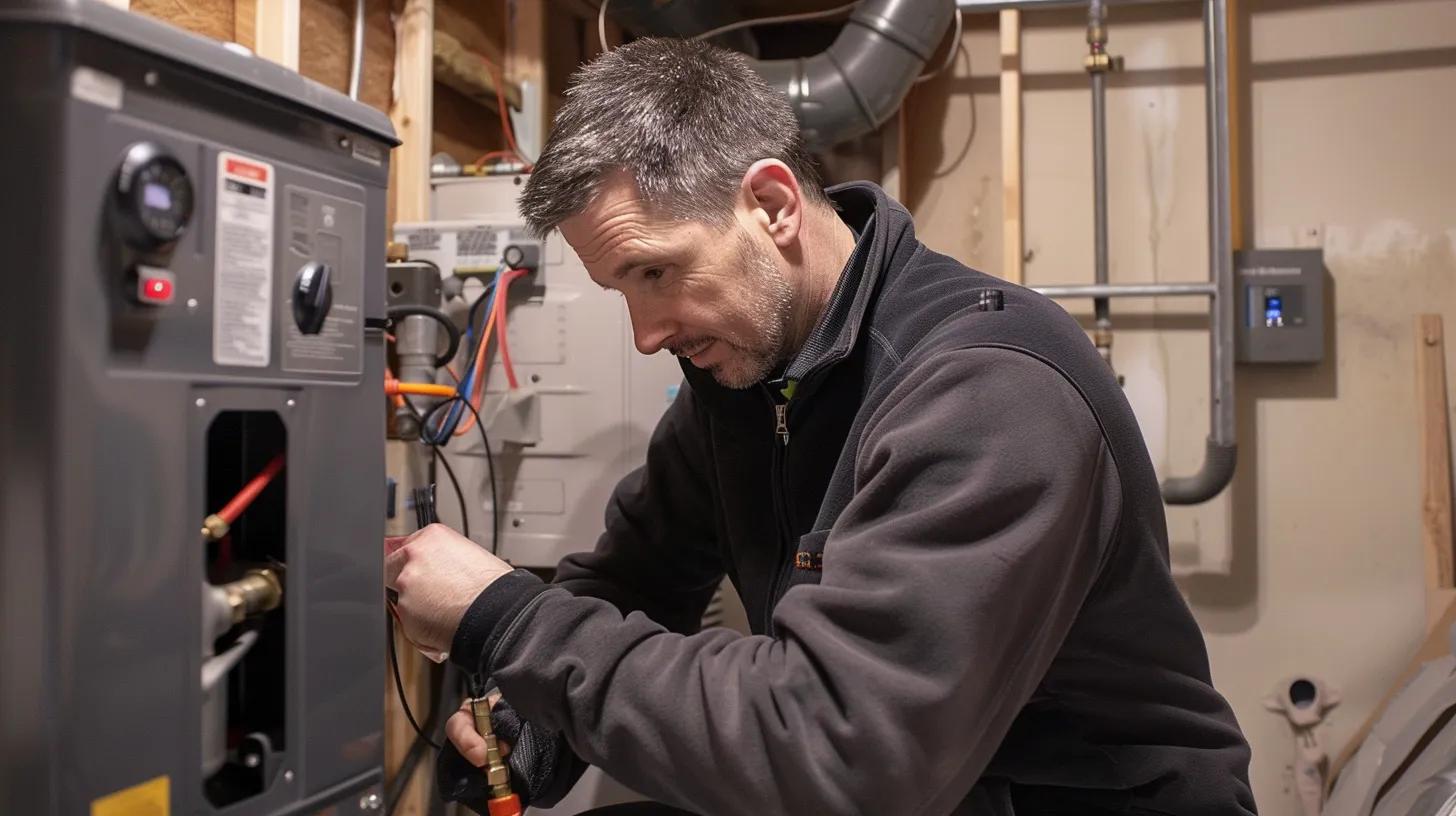
Expert installation of a furnace is essential for achieving optimal performance. When a licensed HVAC installer handles the setup, they ensure that all components are correctly aligned and calibrated. This precision leads to improved airflow and heat distribution throughout the home. Additionally, professional installers are trained to identify potential issues during the installation process, preventing future problems that could affect performance. Their expertise also ensures that the furnace integrates seamlessly with existing ductwork and ventilation systems, which is critical for maintaining indoor air quality and system efficiency.
What Energy Efficiency Gains Result from Licensed HVAC Installers?
Hiring licensed HVAC professionals for furnace installation can lead to significant energy efficiency gains. These experts understand the importance of selecting the right size furnace for your home, which prevents inefficiencies caused by oversized or undersized units. Furthermore, they are knowledgeable about the latest energy-efficient models and can recommend options that align with your heating needs and budget. This expertise not only enhances comfort but also contributes to lower energy bills. Additionally, licensed installers can optimize system settings and ensure proper insulation and sealing around the furnace, further improving energy conservation.
How Is Furnace Installation Cost Determined and What Should You Expect?
The cost of furnace installation can vary widely based on several factors. Understanding these elements can help homeowners budget effectively for their heating needs. It is important to consider both upfront costs and long-term savings when evaluating installation expenses.
- Equipment Model and Efficiency: The type of furnace you choose, including its efficiency rating, will significantly impact the overall cost. Higher efficiency models may have a higher upfront cost but can save money in the long run. Additionally, advanced features such as variable speed blowers or smart thermostats can influence pricing.
- Labor Costs: The complexity of the installation can affect labor costs. More intricate setups may require additional time and expertise, leading to higher charges. Labor costs may also vary depending on the installer’s experience and the region’s market rates.
- Permits and Inspections: Local regulations often require permits and inspections, which can add to the total installation cost. These steps are essential to ensure safety and code compliance, potentially preventing costly issues in the future.
What Factors Influence Furnace Installation Pricing?
Several key factors influence the pricing of furnace installation:
- Furnace Type: Different types of furnaces (gas, electric, oil) come with varying installation costs. For example, gas furnaces may require additional venting work, while electric furnaces might have simpler setups but higher operational costs.
- Ductwork Modifications: If existing ductwork needs to be modified or replaced, this will increase the overall cost. Proper ductwork is essential for efficient heat distribution and air quality.
- Location: Installation costs can vary based on geographic location and local labor rates. Remote or hard-to-access locations may incur additional charges.
Are Financing Options Available for Professional Installation?
Many HVAC companies offer financing options to help homeowners manage the costs of professional furnace installation. These plans can make it easier to afford high-efficiency models or necessary upgrades without straining your budget. Flexible financing options allow homeowners to pay for their installation over time, making it a more accessible investment. Some programs may also offer incentives or rebates for energy-efficient installations, further reducing costs.
Considering the long-term financial implications, studies highlight the importance of evaluating the total lifetime costs and potential savings associated with different furnace installations. This holistic approach helps homeowners choose options that provide the best value over time.
Residential Furnace Installation: Lifetime Costs & Savings
This study accounts not only for the equipment cost but also for the cost of installing, maintaining, repairing, and operating the equipment over its lifetime. Overall, this study, which is focused on US single-family new construction households that install gas furnaces and storage water heaters, finds that installing a condensing or power-vent water heater together with condensing furnace is the most cost-effective option for the majority of these houses.
Economics of residential gas furnaces and water heaters in US new construction market, G Wong-Parodi, 2010
What Are the Essential Furnace Installation Safety Standards?
Safety is a paramount concern when it comes to furnace installation. Adhering to established safety standards ensures that the system operates safely and efficiently. These standards are designed to protect homeowners from hazards such as carbon monoxide poisoning, fire risks, and electrical issues. Professional installers are trained to follow these protocols meticulously.
- Regular Inspections: Safety inspections are critical to identify potential hazards, such as gas leaks or improper venting. These inspections should be conducted not only after installation but also periodically throughout the furnace’s lifespan.
- Compliance with Local Codes: Licensed HVAC installers are familiar with local building codes and regulations, ensuring that installations meet all safety requirements. This compliance helps avoid legal complications and ensures that your system passes official inspections.
Why Is Safety Inspection Critical After Installation?
Post-installation safety inspections are essential for verifying that the furnace operates safely. These inspections can identify any issues that may have arisen during installation, such as improper venting or gas leaks. Ensuring compliance with safety standards protects both the homeowner and the property from potential hazards. Additionally, inspections can confirm that safety devices like carbon monoxide detectors and emergency shut-offs are properly installed and functional.
How Do Licensed HVAC Installers Ensure Compliance with Local Codes?
Licensed HVAC installers are trained to understand and comply with local building codes. They ensure that all aspects of the installation meet regulatory requirements, which helps prevent future legal issues and enhances safety. Documentation of compliance is often provided, giving homeowners peace of mind. Moreover, these professionals stay updated on code changes and industry best practices, ensuring that your installation remains compliant over time.
Why Choose Licensed HVAC Professionals for Your Furnace Installation?
Choosing licensed HVAC professionals for furnace installation is crucial for several reasons. Their expertise not only guarantees a high-quality installation but also provides ongoing support and service options that DIY approaches cannot match.
- Expertise: Licensed installers have the training and experience necessary to handle complex installations safely and effectively. They are equipped to troubleshoot unexpected challenges and customize solutions to your home’s unique requirements.
- Warranty Protection: Many manufacturers require professional installation to maintain warranty coverage, protecting your investment. Without proper installation, warranty claims may be denied, leaving you responsible for costly repairs.
- Quicker Response Times: Licensed professionals can often respond more quickly to service calls, ensuring that any issues are addressed promptly. Their established relationships with suppliers also mean faster access to replacement parts if needed.
What Risks Are Associated with DIY Furnace Installation?
DIY furnace installation poses several risks, including:
- Safety Hazards: Improper installation can lead to gas leaks, fire hazards, or carbon monoxide poisoning. These dangers can have severe consequences for your health and property.
- Warranty Issues: Many manufacturers void warranties if the furnace is not installed by a licensed professional. This can result in significant out-of-pocket expenses if repairs are needed.
- Increased Costs: Mistakes made during DIY installation can lead to costly repairs or replacements down the line. Additionally, incorrect installation may reduce the furnace’s efficiency, increasing energy bills.
How Can You Verify an HVAC Installer’s Credentials?
To ensure you are hiring a qualified HVAC installer, consider the following steps:
- Request License Details: Ask for proof of licensing and insurance to verify their qualifications. This helps confirm that the installer meets state and local requirements.
- Check Customer Reviews: Look for reviews and testimonials from previous clients to gauge their reputation and reliability. Positive feedback and a history of satisfied customers are good indicators of quality service.
- Inquire About Experience: Ask about their experience with furnace installations similar to yours to ensure they have the necessary expertise. Experienced installers are more likely to deliver efficient and safe results.
Conclusion
Investing in professional furnace installation ensures optimal performance, energy efficiency, and safety for your heating system. By choosing licensed HVAC professionals, homeowners can avoid costly mistakes and enjoy long-term savings on energy bills. Understanding the importance of expert installation empowers you to make informed decisions that enhance comfort and protect your investment. Take the next step towards a reliable heating solution by exploring our services today.